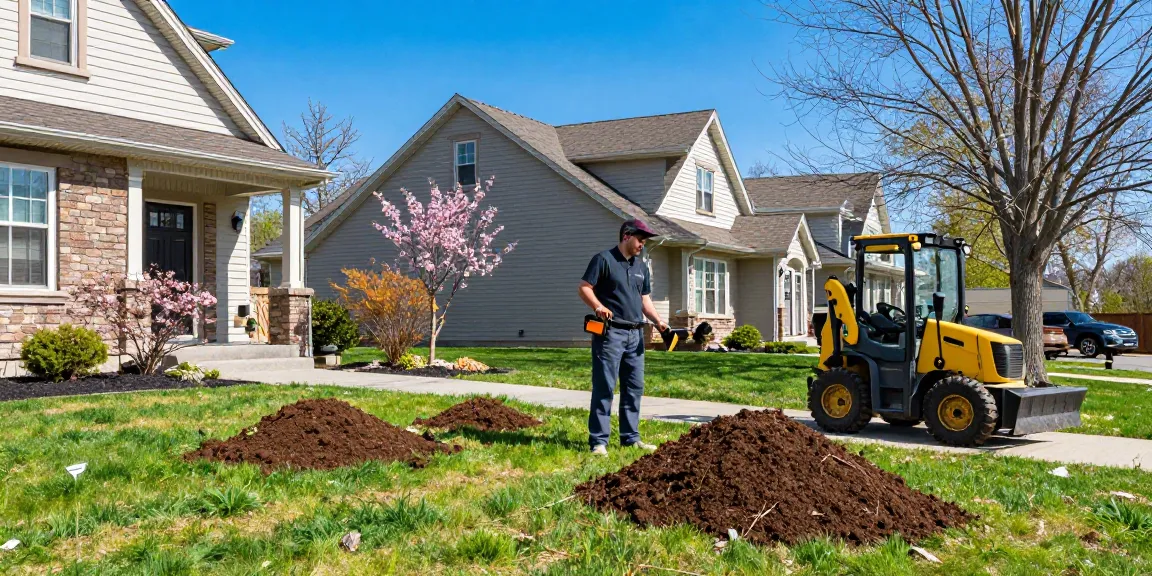
The Importance of Top Soil Grading in Ottawa
When it comes to maintaining a healthy and vibrant landscape in Ottawa, understanding the significance of top soil grading is paramount. This essential process not only enhances the visual appeal of your property but also ensures the health of your plants and the efficiency of your drainage systems. In a region characterized by varied soil types and climatic conditions, proper grading becomes even more critical. As a homeowner or property manager, knowing how to effectively manage top soil grading can save you from future headaches related to erosion, poor drainage, and other landscaping challenges. For those exploring options, top soil grading ottawa provides comprehensive insights into region-specific practices and expertise.
Why Quality Top Soil Matters?
Quality top soil serves as the foundation for any successful gardening or landscaping project. It is rich in organic matter and nutrients, promoting healthy plant growth and enhancing the overall ecosystem of your garden. In Ottawa, the quality of top soil can vary significantly, which is why understanding its grading is crucial. High-quality topsoil ensures excellent drainage, moisture retention, and overall plant health. Poorly graded soil, on the other hand, can lead to a host of problems, including water pooling, inadequate aeration, and even plant disease. Therefore, selecting the right type of topsoil and ensuring proper grading can make all the difference in the long-term success of your landscape.
Understanding Soil Types and Their Impact
Ottawa’s soil is a mix of clay, silt, and sand, which affects its drainage and nutrient-holding capacities. The three primary soil types are:
- Clay: Heavy and dense, clay soil retains water but can become compacted easily, leading to poor drainage.
- Silt: Silt soil is fertile and holds moisture well; however, it can also become compacted.
- Sand: Sandy soil drains quickly and warms up faster in spring, but it may require more frequent watering due to its low nutrient retention.
Understanding the composition of your soil can significantly impact grading decisions. For instance, if you have heavy clay soil, you may need to amend it with organic matter or sand to improve drainage before grading.
Top Soil Grading: What to Expect
Top soil grading involves leveling the ground to create a smooth surface that allows for proper water drainage and soil health. It entails several steps:
- Assessment: Evaluating the current state of the soil and identifying any existing issues.
- Soil Preparation: This includes removing debris, rocks, or any other materials that may hinder proper grading.
- Grading: Using specialized equipment to level the soil and ensure it slopes away from your home’s foundation.
- Top Soil Application: Adding a layer of quality top soil that meets your landscape’s needs.
- Final Touches: Compacting the soil and ensuring a smooth surface conducive to planting or laying sod.
Common Challenges with Top Soil Grading
Identifying Grading Issues in Your Landscape
One of the biggest challenges faced by homeowners in Ottawa is recognizing grading problems early. Signs of improper grading include:
- Water pooling in certain areas after rainfall.
- Unhealthy plant growth or dead patches in the lawn.
- Soil erosion on sloped areas.
- Visible depressions or bumps in the landscape.
It’s crucial to address these issues promptly to avoid more extensive repairs in the future.
Misconceptions About Top Soil Quality
There are several misconceptions surrounding topsoil that can lead to poor decision-making:
- All Topsoil is the Same: This is false. Topsoil can vary significantly in quality based on its source.
- Cheaper Topsoil is Better: Often, lower-priced topsoil lacks the nutrients needed for healthy plant growth.
- Grading is Only Necessary for New Landscapes: Existing landscapes can also benefit from re-grading to improve drainage and soil health.
Common Mistakes to Avoid During Grading
To ensure a successful top soil grading project, avoid these common pitfalls:
- Neglecting soil testing before grading.
- Failing to create a proper slope for drainage.
- Using low-quality topsoil without verifying its composition.
- Skipping the compaction step, which can lead to settling later.
Best Practices for Effective Top Soil Grading
Steps to Prepare Your Landscape
Preparation is key to successful grading. Here are some best practices:
- Conduct a soil test to analyze the nutrient content and pH levels.
- Remove all vegetation and debris from the grading area.
- Consult with a professional to assess drainage and grading needs.
- Determine the correct type and grade of topsoil required.
Choosing the Right Top Soil for Your Needs
Selecting the appropriate top soil is crucial for plant health. Consider factors such as:
- The existing soil type in your area.
- The types of plants you plan to grow.
- The drainage characteristics required for your landscape.
- Organic matter content to support soil health.
How to Hire the Right Professional in Ottawa
Choosing a qualified professional for grading services is essential. Look for the following:
- Experience and expertise in local soil types and conditions.
- Positive reviews and testimonials from previous clients.
- Transparent pricing with no hidden fees.
- References and examples of past work.
Taking the time to find the right contractor can lead to better results and long-lasting landscape health.
Real World Examples of Successful Top Soil Grading
Case Study: Residential Lawn Transformation
One notable example of successful top soil grading was a residential property in Ottawa where homeowners faced severe drainage issues. After conducting a thorough assessment, the grading team not only leveled the lawn but also amended the heavy clay soil with organic matter. The result was a transformed garden that not only looked great but also thrived due to improved drainage and nutrient retention.
Commercial Projects Highlighting Effective Grading
Commercial properties often face unique challenges in grading due to larger landscaped areas and infrastructure considerations. A local shopping center in Ottawa implemented a comprehensive grading project which included soil analysis and the introduction of organic top soil. This project not only improved the aesthetics of the property but also enhanced water management systems, reducing flooding during heavy rains.
Community Initiatives and Outcomes
In Ottawa, community initiatives often focus on sustainable practices and improving public spaces. One community park underwent a top soil grading project incorporating native plants and unamended top soil. The project successfully enhanced biodiversity and improved drainage, creating a vibrant area for residents and wildlife alike.
Future Trends in Top Soil Grading for 2026 and Beyond
Innovations in Grading Technology
As we progress into 2026, technology continues to evolve within the landscaping industry. Precision grading techniques using drones and automated machinery are becoming more commonplace, allowing for greater accuracy and efficiency in grading projects.
Sustainable Practices in Soil Management
With growing awareness about environmental sustainability, practices such as using organic compost and incorporating native vegetation into grading projects are on the rise. This shift not only benefits the landscape but also supports local ecosystems.
Regulatory Changes Impacting Grading Services
Homeowners and contractors must stay informed about local regulations affecting grading services. New policies may impact how soil is sourced and processed, shaping future grading practices in Ottawa.
What’s Next for the Top Soil Industry in Ottawa?
The top soil industry in Ottawa is poised for growth, with increasing awareness about the importance of quality soil for plant health and landscaping. As education around soil management improves, we can expect more homeowners to invest in proper top soil grading, leading to healthier landscapes and communities.